Struggling to keep up with your comms & marketing? Kat Arney shares three simple ways to make your life science content stretch further.
When it comes to content, most life science companies are sitting on a goldmine. But they’re not making the most of it.
We often see overstretched life science marketers pouring huge amounts of time and effort into creating a brilliant blog post, webinar, case study or white paper only to see it quietly disappear into the digital ether.
Great science deserves attention, but even the best life science content needs to work hard to grab it.
We’ve known for years that it takes multiple interactions with a brand before someone is ready to buy – there’s even a name for it: the Rule of Seven.
So taking a ‘one and done’ attitude to content is leaving a huge number of eyeballs on the table. (Sorry for the grisly metaphor…)
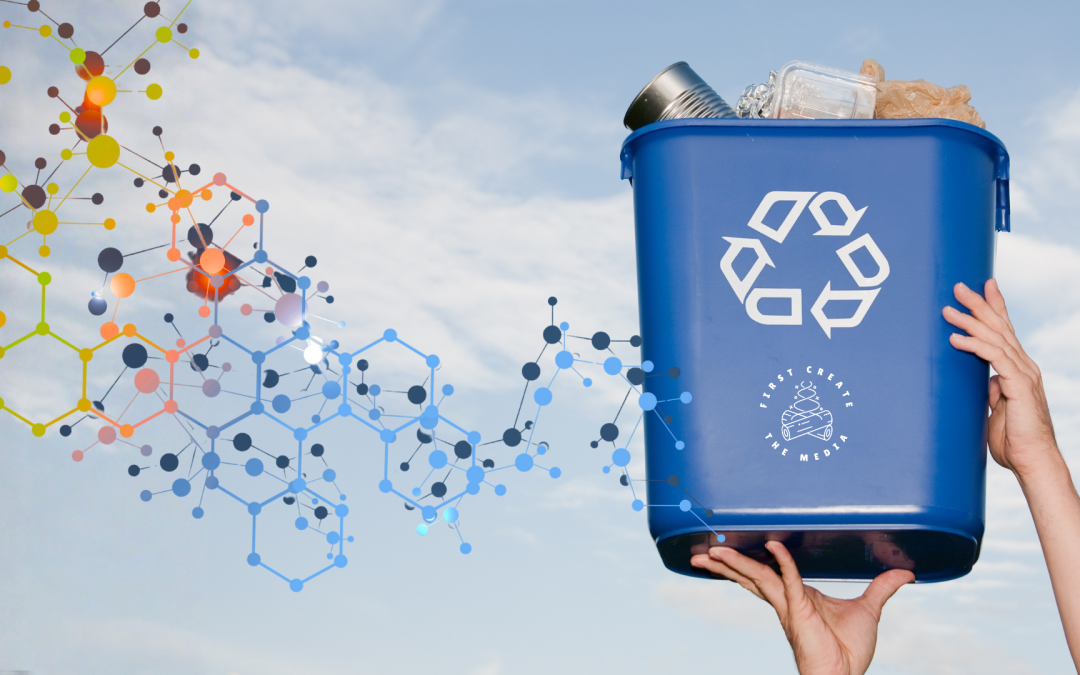
Here’s a simple, sustainable framework that we use with our clients to help make the most of every piece of content we create. Inspired by the classic environmental mantra, we call it the 3Rs of content recycling: Reduce, Re-use, and Recycle.
Reduce: Keep each piece of content focused
One of the biggest mistakes in life science marketing is trying to cram everything about a particular topic, service or product into a single piece of shorter form content such as a blog or LinkedIn post.
We get it: you want to make sure your readers have all the details, and you don’t want to seem like you don’t know what you’re talking about. But trying to squeeze in too much often comes at the expense of clarity and readability. You’re also missing an opportunity to slow down the never-ending content hamster wheel and give yourself some breathing space.
If you find yourself trying to cover every possible product feature or angle on a particular topic in a single blog post — stop right there. Save the rest for future posts, split it out into a linked series, or consider developing a more detailed downloadable asset such as a white paper or ebook.
Creating and properly publicising four shorter, well-structured 800-word blogs in multiple ways (see ‘Recycling’) over four weeks will do far more for visibility, readability, and SEO than putting out one 4,000-word monster every few months. It’ll also help your content to stretch further across your calendar and channels, giving you multiple opportunities to engage your audience around the same theme.
This matters even more on LinkedIn, where people scan and scroll rather than stop to read. If every post is turning into an essay and you’re hitting the word limit before you’ve made your point, it’s a sign you’re trying to say too much at once.
Strip it back. Decide on one clear takeaway, make it easy to scan at a glance, and reinforce it with a genuinely scroll-stopping visual. When it comes to social media, clarity beats completeness every time.
Re-use: Get the most from the life science content you’ve already made
Social media algorithms move fast, and most people simply won’t see your content the first time around.
For small and growing life science companies with niche audiences and limited marketing bandwidth, that matters. If you only share something once — especially from a company page, which has less reach than a personal profile — you’re almost guaranteeing it won’t reach all the people who actually need to see it.
If you’ve been around for a while you’re probably sitting on a backlog of valuable insights — blog posts, white papers, conference learnings, FAQs from investors or customers — that many of your newer followers have never seen.
Re-use doesn’t mean repeating yourself. It means giving the same message multiple chances to land.
That might look like:
- Refreshing older content with a new intro, updated data or a recent example (a win for both visibility and SEO)
- Turning a company post into a personal one from a founder or scientist’s perspective (or vice versa)
- Building a small library of evergreen posts and visuals you can lean on during busy periods or sparse times
- Re-sharing relevant content around awareness days, anniversaries, events, regulatory milestones or product updates
For life science companies with long timelines and complex stories, repetition is not a flaw — it’s how you build your story over time. Reusing content and repeating your core key messages ensures your best thinking doesn’t disappear into the feed after a single post.
One practical note: LinkedIn’s algorithm aims to keep people on the platform and downranks external links in favour of native content, so don’t rely on it to drive clicks to your website.
Put the key insights from your blog, press release etc directly into the body of the post and link to the original source in the comments so people can find out more if they wish.
Recycle: Repurpose life science content across formats
Creating high-quality life science content is hard. It takes deep subject-matter expertise, careful review, and significant time and skill. Yet too often, great blogs, webinars or case studies are published once, shared once, and then quietly forgotten.
That’s a tragic waste of time, effort and expertise.
You’ve already done the hard work. The smart move is to make sure every piece of content earns its keep. At First Create The Media, we call this ‘sweating your assets’.
With a little planning, one strong piece of content can become three or more — without diluting the science or dumbing it down. AI tools can help speed up this process, especially for reformatting existing content. But accuracy is paramount, especially when it comes to keeping your scientific credibility. Always sense-check outputs and keep human hands and eyes on the job.
For example:
- A technical blog post can be broken into a LinkedIn carousel, a newsletter, and a script for a short explainer video or podcast
- A webinar can be repurposed into one or more blog posts, several social snippets, and a follow-up newsletter
- A podcast episode can be turned into a thought-leadership article or a series of quote-led social posts
- A case study can be split across multiple LinkedIn posts – for example: spotlighting the problem, explaining how you solved it, a testimonial from your happy customer showcasing the impact (with a video or audiogram if you have a recording), and a carousel telling the whole story.
This approach is particularly powerful for life science companies with niche audiences and expert, science-led content. Recycling content into different formats gives people multiple chances to encounter your work, and builds up your digital footprint as an expert source.
It all helps to build credibility and awareness over time, and gives you more bang for your content buck.
Say no to ‘single use’ content
If you’re only posting your content once, you’re not just under-using it — you’re wasting it. When science is complex, review cycles are long, and internal expertise is scarce, letting good work disappear after a single post makes little sense.
Here’s a simple rule of thumb: spend at least as much time promoting and repurposing a high-quality piece of life science content as you did creating it.
By reducing complexity, re-using what you already have, and recycling your strongest ideas into new formats, you can build a content strategy that’s smarter, more sustainable, and far less reliant on constantly starting from scratch. This helps small and growing life science companies stay visible and credible over long timelines, even with limited bandwidth.
A strong life science content strategy isn’t about producing more for the sake of it. It’s about extracting maximum value from the science, insight and expertise you’ve already invested in.
If this sounds like a great idea but you’re still out of bandwidth to get it all done, help is at hand. First Create The Media works as a plug-in comms and marketing partner for growing life science companies needing extra hands and brains to clarify their message, capture their science clearly, and get it in front of the audiences that matter.
Get in touch to see how we can help you.